

Seasonal Affective Disorder
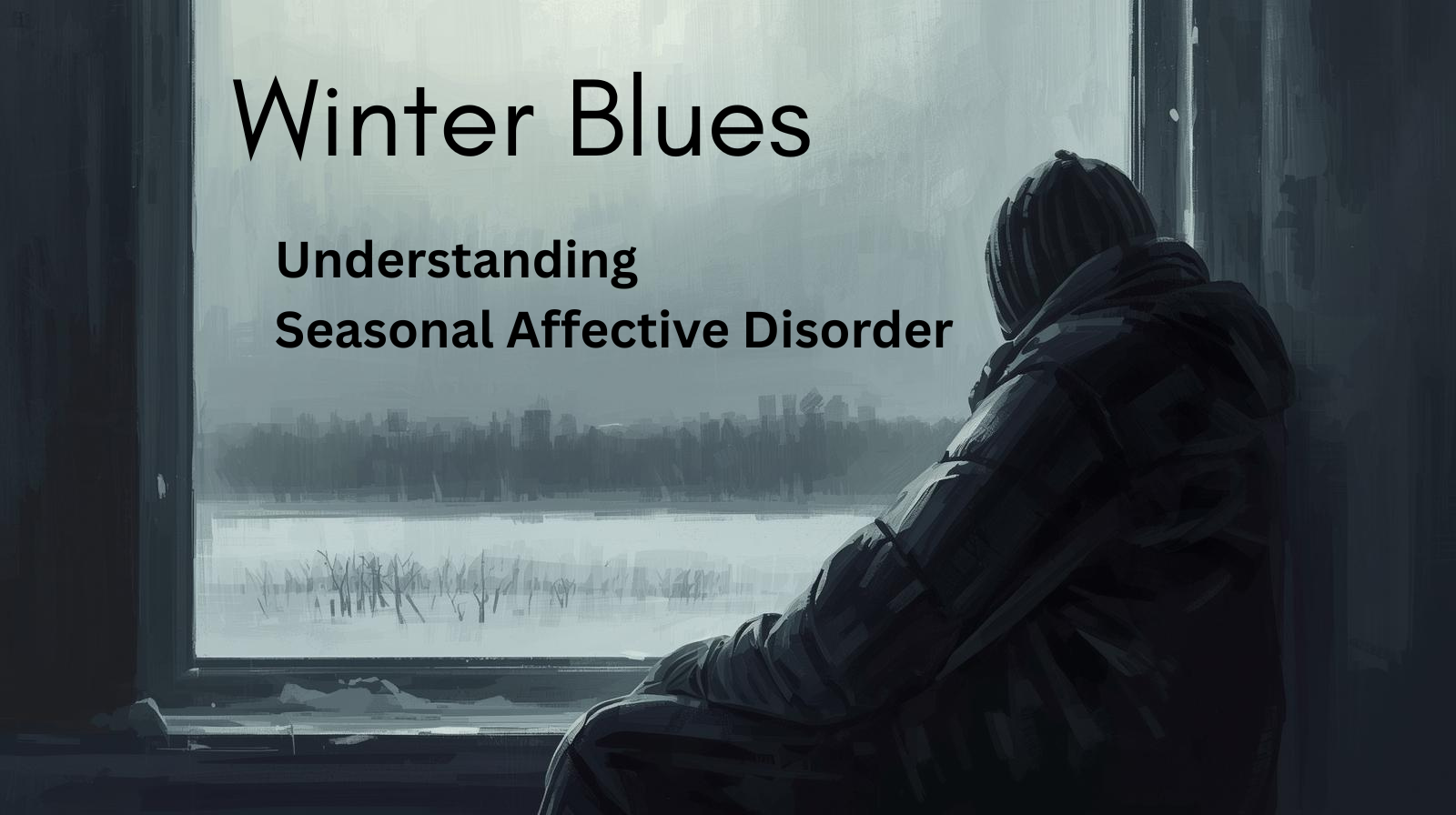
Seasonal Affective Disorder (SAD) is a type of depression that follows a seasonal pattern, most often showing up during the fall and winter months. Symptoms commonly peak in January and February, when daylight exposure is at its lowest.
SAD is a biological and neurological response to seasonal changes — not a weakness or lack of motivation.
Why does SAD happen?
Shorter days and reduced sunlight can affect the brain’s regulation of:
Circadian rhythms (sleep–wake cycles)
Serotonin (mood regulation)
Melatonin (sleep and energy levels)
Vitamin D levels
These changes can impact mood, energy, sleep, and focus.
Common signs of SAD
People with SAD may notice:
Low mood or emotional numbness
Fatigue or low energy
Sleeping more than usual or difficulty waking
Increased appetite, especially cravings for carbohydrates
Difficulty concentrating
Pulling back from social activities
To be diagnosed, these symptoms typically occur during the same season for two or more years in a row.
What helps?
SAD is very treatable. Evidence-based supports include:
Light therapy, usually used in the morning
Talk therapy, especially CBT
Medication, when appropriate
Vitamin D supplementation, if levels are low
Keeping a consistent sleep schedule
Spending time outdoors during daylight hours when possible
A reassuring note
Seasonal shifts in mood are common, and support can make a real difference. If winter feels heavier or harder than expected, you’re not doing anything wrong — your nervous system may simply need extra care during this season.
